Empowering Survivors: The Intersection of Fitness and Cancer Care for Holistic Healing
When navigating the cancer journey, patients and survivors often find themselves facing a multitude of challenges: physical, emotional, and psychological. But amidst these storms, there lies a silver lining— the transformative power of fitness and nutrition. As we delve into how these elements intersect with oncology, we'll discover that cancer care isn't just about treatment; it's about holistic healing that considers the entire well-being of a person. So, what happens when exercise and nutrition become part of a cancer survivor's lifestyle changes?
Let's start with an intriguing question: How does fitness impact the journey of someone battling malignancy? Recent medical research shows that exercise not only aids in symptom management but also improves overall quality of life during and after treatment. In fact, a regular fitness routine can significantly reduce the risk of tumor recurrence and enhance the immune system's response. This speaks volumes about the importance of lifestyle medicine in survivorship. Engaging in an active lifestyle fosters a sense of control and empowerment—an essential aspect of patient support that encourages individuals to take charge of their health, paving the way towards a brighter and healthier future.
Nutrition also plays a pivotal role in this equation. It's no secret that the food we eat can bolster health, but did you know that certain diets can aid in cancer prevention? Integrating nutritious foods into one's diet not only provides necessary building blocks for recovery but also contributes to mental health and emotional well-being. Eating well empowers patients to feel radiant, both inside and out. So, why not consider it a part of your cancer care toolkit? By embracing healthy living principles, cancer survivors can find comfort in community health initiatives that offer resources and connections, fostering a support system that makes the journey a little more manageable.
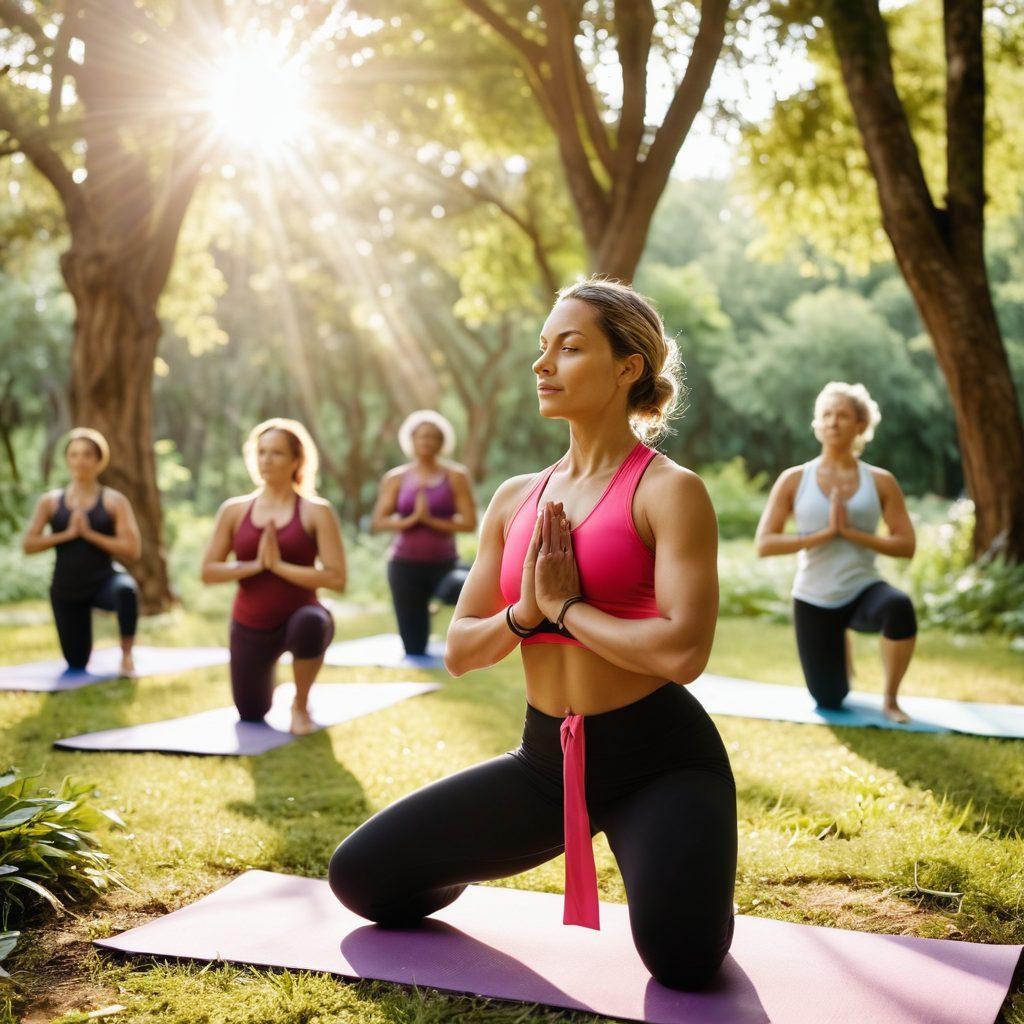
The intertwining of fitness and nutrition presents an opportunity for social support and wellness coaching. Patients and survivors can find solace in sports rehabilitation programs that focus on group activities, forging friendships and camaraderie as they tread this often isolating path. Picture this: a yoga class filled with cancer survivors finding their empowerment through movement. It’s a testament to the resilience of the human spirit and a reminder that we are not alone in our struggles. This sense of community can lift spirits and enhance motivation, encouraging individuals to sustain the active lifestyle that is so crucial for long-term well-being.
Finally, let’s talk about the importance of health advocacy and education for both patients and caregivers. Many are unaware of the available cancer resources that can greatly assist during recovery and survivorship. With growing health initiatives focused on fitness and nutrition, we can propel positive change that leaves lasting impacts on community health. Clinical trials are paving the way for future treatments, but adopting a holistic approach today can empower survivors and improve their quality of life. As you contemplate your cancer journey or support someone who is, remember: it’s not just about surviving; it’s about thriving. How will you incorporate fitness and nutrition into your story?
The Role of Community Support in Cancer Survivorship and Wellness
When we think about cancer care, our minds often jump straight to oncology—treatments for tumors, innovative clinical trials, and the fight against malignancy. But what if I told you that the journey of survivorship is not solely about battling the illness? It’s also about thriving in a community that fosters holistic health. This intersection of cancer survivorship and wellness is crucial, as it encompasses not just medical treatment but also mental health, exercise, nutrition, and strong social support—a multifaceted approach to achieving well-being in the aftermath of a chronic illness.
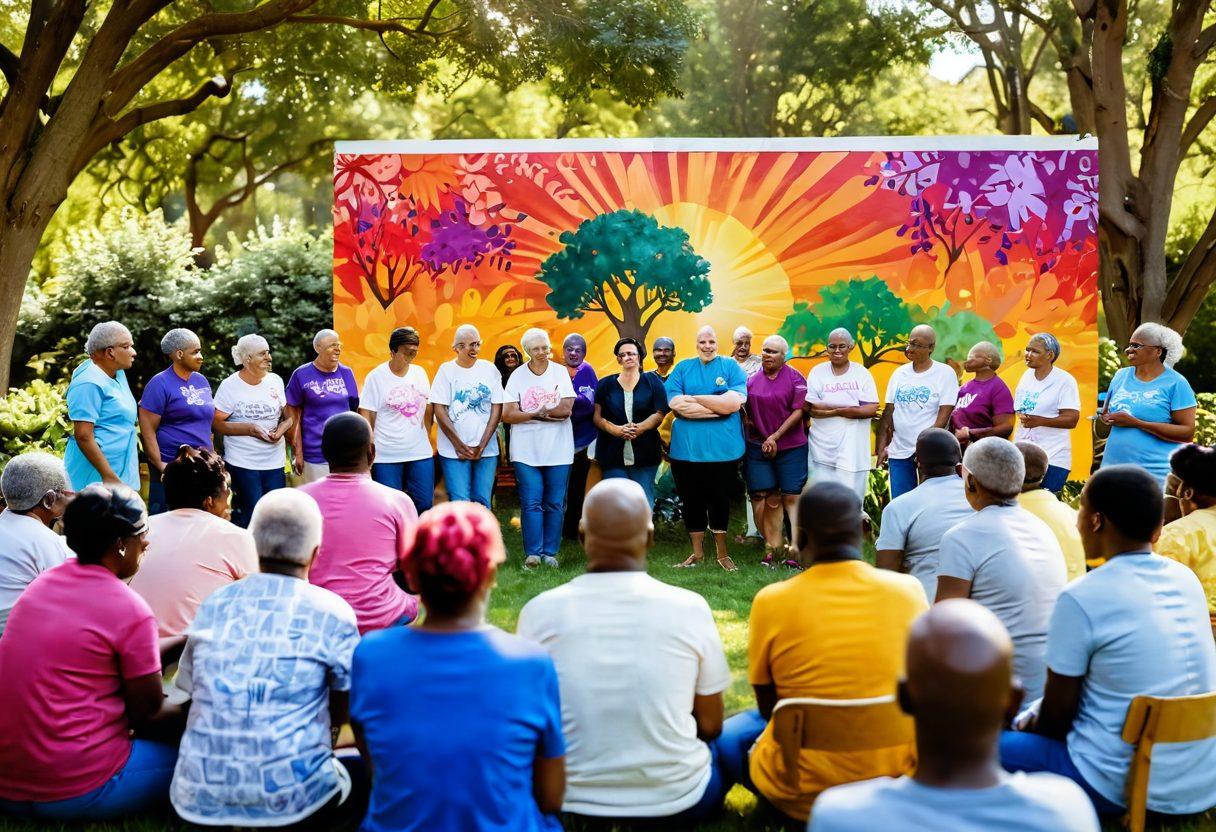
Imagine a space filled with laughter, where stories of triumph over adversity are shared, and where everyone understands and empathizes with each other’s journeys. This is the power of community support in cancer survivorship. It’s often said, ‘It takes a village to raise a child,’ but in this case, it takes a village to empower a survivor. As loneliness can exacerbate the challenges faced by individuals battling cancer, being surrounded by people who offer patient support can create a network for healing. What better way to foster an active lifestyle than to engage with others who share similar experiences and goals?
Life after a cancer diagnosis is often filled with uncertainties—a stark contrast to the rigid control one tries to maintain during treatment. As survivors navigate lifestyle changes, the encouragement from a supportive community can be the grounding force they need. Wellness coaching can play an instrumental role, helping individuals integrate fitness and nutrition into their daily lives while also prioritizing mental health. Active participation in health initiatives that promote fitness, such as group exercise programs or community yoga classes, helps reinforce that they’re not in this alone.
Nutrition, exercise, and mental health become central themes in the conversation about survivorship. Did you know that engaging in fitness can help alleviate some cancer symptoms and improve overall energy levels? As survivors commit to an active lifestyle, they’re also embracing preventative care strategies that may contribute to cancer prevention in the future. Moreover, health education plays a vital role here. By sharing resources and supporting one another, survivors can access valuable insights derived from medical research and clinical trials, allowing them to make informed decisions about their health.
The role of community health cannot be understated in the journey toward holistic healing. Survivors often report greater adherence to lifestyle changes when they have social support to keep them motivated. Whether it’s through running clubs, nutritional workshops, or simply forming study groups around health advocacy, the connections built during this vulnerable chapter can lead to long-lasting friendships and a renewed sense of purpose. How can we reframe cancer care to emphasize this community aspect? Perhaps the answer lies in the notion that surviving cancer is just the beginning of a new journey—one that is infinitely more fulfilling when walked with others.
Integrating Exercise and Mental Health for Holistic Cancer Care
In the realm of oncology, the journey through cancer care is often daunting. Survivors face the dual battle against malignancy while striving to reclaim their lives. This struggle underscores the importance of integrating exercise and mental health in the treatment plan. Why is it that physical fitness can be a beacon of hope during this turbulent time? Research shows that when patients adopt an active lifestyle, they not only enhance their physical well-being but also nurture their mental health. So, let’s explore how the realms of fitness and mental health intertwine to foster holistic cancer care, allowing survivors to thrive rather than merely survive.
Imagine a world where every survivor of cancer engages in sports rehabilitation or wellness coaching that encourages a healthy living routine. This shift is not only a dream but a tangible reality for many. Exercise can mitigate symptoms during treatment, providing a powerful tool in the arsenal against chronic illness. As we often say, 'Movement is medicine.' Engaging in regular physical activity releases endorphins, those natural mood lifters, which can be vital in managing anxiety and depression associated with cancer. So, what small lifestyle changes can you make today to improve your physical and mental health, and consequently, your cancer care journey?
The integration of fitness into cancer care is more than just a physical activity; it's a holistic health initiative aimed at transforming lives. Nutrition plays a key role alongside exercise in creating a balanced approach to survivorship. By prioritizing health education, we empower patients with the knowledge to make informed choices regarding their diet and activity level. Did you know that nutrition based on recent medical research can aid in cancer prevention as well? It’s vital for survivors to learn how the right foods can impact their well-being and support their bodies in the face of future malignancy or recurrence.
Social support, both physical and emotional, is crucial in this spectrum of cancer resources. Communities can provide that much-needed social support to survivors, encouraging them to embrace health advocacy and participate in local fitness programs. Clinical trials have also begun to explore the impact of community health initiatives on long-term wellness. Are you connected to a supportive network that prioritizes fitness and mental health? Those connections can enhance your survivorship experience, reminding you that while the path may be rugged, you're never alone.
Ultimately, navigating through cancer care involves a multi-faceted approach that incorporates fitness, nutrition, and mental health. Adopting lifestyle medicine principles allows survivors to take control of their health outcomes. By embracing an active lifestyle and focusing on holistic health, individuals facing cancer can improve their symptom management and bolster their well-being. Each step taken towards integration not only promotes recovery but also sparks hope for a future filled with vitality. So, what’s your next step on this transformative journey?